

Books by Dr. Hernández Blandón
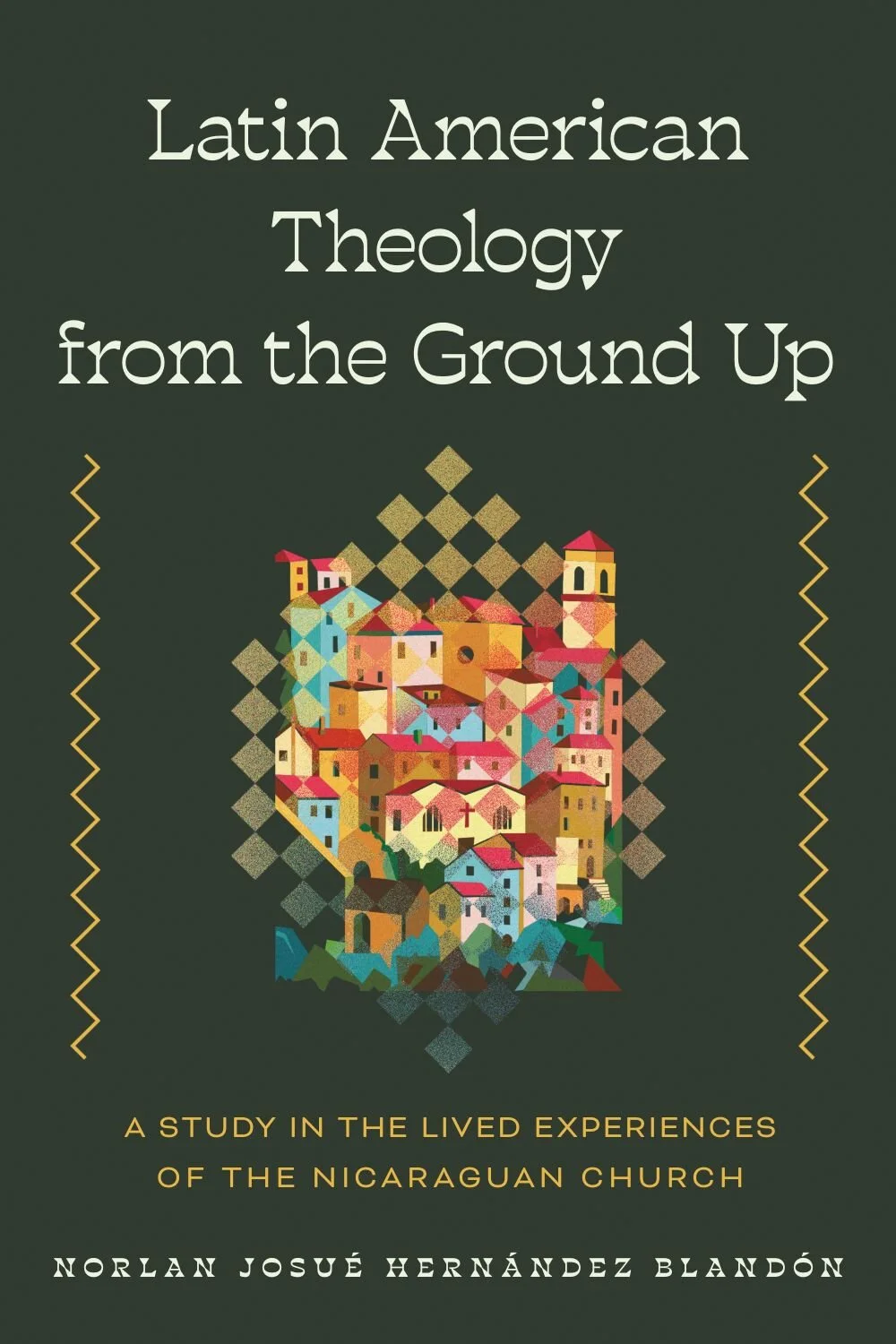
Latin American Theology from the Ground Up

Building a theological framework requires not only careful and robust engagement with ideas, but also deep attention to the social, economic, and cultural contexts in which faith takes shape.
What happens when theology emerges not from academic ivory towers but from the struggles and triumphs of everyday faith communities?
In Latin American Theology from the Ground Up, scholar and theologian Norlan Josué Hernández Blandón offers readers an ethnographic study that explores how real pastors and ministry practitioners in Nicaragua make sense of their theological frameworks within their contexts. From this methodological approach, Hernández Blandón constructs from the ground up a theological understanding that represents the varied realities that these pastors and ministry leaders experience, showcasing perspectives often overlooked yet deeply formative.
For these Nicaraguan leaders, theology isn't about rigid doctrinal statements but about responding to their communities' real needs. Their faith emerges from daily life challenges, creating a "ground-up" theology born not from theological elites but from ordinary people who have experienced God's power amid suffering.

Pursuing Self: Body, Mind, Spirit
PURSUING SELF presents a set of poems that speak to the lived experience of a hyphenated identity. It captures intimate thoughts, expresses counter-cultural vulnerability, and highlights honest emotions in poetic expression. The poems included in this book are an honest depiction of life in the body of a Nicaraguan-American man.

Evidence-Based Organizational Practices for Diversity, Inclusion, Belonging and Equity
Evidence-Based Organizational Practices for Diversity, Inclusion, Belonging and Equity, edited by my Vanguard University of Southern California colleague Ludmila Praslova, Ph.D., SHRM-SCP, Âû.
I contributed a chapter entitled "Identity, Intersectionality, and Leadership: Leading While Brown" where I discuss the intersection of our identities and leadership from a Latino perspective (although the chapter is written to be accessible to anyone).